

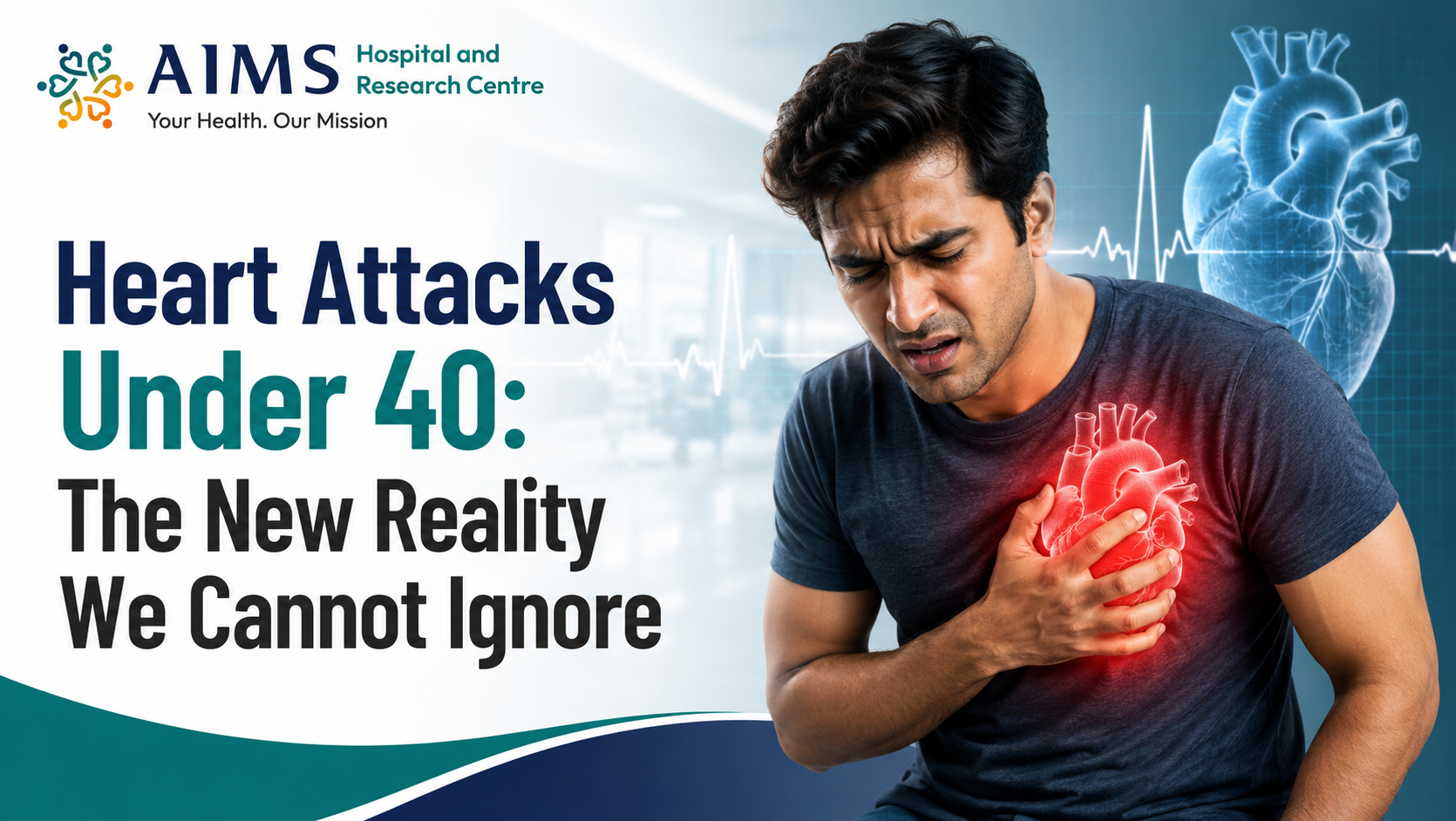
As a cardiologist, one of the most concerning changes I have witnessed over the past decade is the increasing number of young adults being diagnosed with heart disease. There was a time when heart attacks were largely considered a problem of old age. Today, however, it is not unusual to see patients in their thirties and early forties arriving at our AIMS Hospital in Aundh Pune with symptoms of a heart attack.
What makes these cases particularly alarming is that many of these individuals do not consider themselves at risk. They are working professionals, entrepreneurs, fitness enthusiasts, and parents juggling busy schedules. Most are shocked when they hear the words, “You have a blockage in your heart artery.” Their first reaction is often the same: “Doctor, I’m too young for this.”
Unfortunately, the heart does not pay attention to age alone. It responds to the lifestyle choices we make every day. Modern life has transformed the way we eat, work, sleep, and manage stress. While medical science has made remarkable advances in treating heart disease, our lifestyles have simultaneously created new challenges that are affecting younger generations.
At our AIMS Hospital in Aundh Pune, one pattern stands out clearly. Many young patients live under constant pressure. Long working hours, irregular sleep schedules, lack of physical activity, unhealthy eating habits, and chronic stress have become part of daily life. Meals are often skipped or replaced with processed foods. Exercise is postponed until tomorrow. Sleep is sacrificed to meet deadlines. Individually, these habits may seem harmless, but together they place tremendous strain on the cardiovascular system.
Another issue is that many people associate heart disease only with chest pain. In reality, the warning signs can be far more subtle. Some patients experience unusual fatigue, shortness of breath while climbing stairs, discomfort in the jaw or arm, excessive sweating, or a feeling of heaviness in the chest. Because these symptoms are not always dramatic, they are frequently ignored. I have met patients who continued working through symptoms that, in retrospect, were clear warning signs of an impending heart attack.
Diabetes, high blood pressure, obesity, and high cholesterol are also appearing earlier in life than ever before. These conditions often develop silently, causing damage for years before symptoms become noticeable. At our AIMS Hospital in Aundh Pune, it is not uncommon to diagnose severe cholesterol abnormalities in patients who have never undergone a routine health check-up. Many discover their risk factors only after experiencing a cardiac event.
What concerns me most is the misconception that feeling healthy automatically means being healthy. A person may have no symptoms and still carry significant cardiovascular risk. Some of the most unexpected heart attacks occur in individuals who appeared perfectly fine just days earlier. This is why preventive healthcare has become such an important part of modern cardiology.
The good news is that heart disease is largely preventable. Small changes, when adopted consistently, can have a remarkable impact on cardiovascular health. Regular exercise, a balanced diet, adequate sleep, stress management, and routine health screenings remain some of the most effective tools we have. Unfortunately, prevention often receives far less attention than treatment. Many people wait until a problem develops before taking action.
One encouraging trend is that awareness about heart health is gradually improving. More patients are seeking preventive consultations, monitoring their cholesterol levels, and paying attention to their blood pressure. At our AIMS Hospital in Aundh Pune, we encourage individuals with a family history of heart disease to be especially proactive, as genetics can play an important role in cardiovascular risk.
Advances in cardiology have also transformed patient outcomes. Procedures such as coronary angiography, angioplasty, and stenting can restore blood flow quickly and effectively when performed at the right time. What was once considered a life-threatening event with limited treatment options can now often be managed successfully. However, even the most advanced treatment cannot reverse years of unhealthy habits overnight.
As a cardiologist, I believe one of the greatest challenges we face is changing the perception that heart disease is someone else’s problem. The reality is that cardiovascular disease is affecting younger individuals than ever before. Ignoring symptoms, postponing check-ups, and assuming that youth provides protection can have serious consequences.
At our AIMS Hospital in Aundh Pune, we often remind patients that the heart works tirelessly every second of every day. Yet it is usually the last organ we think about until something goes wrong. The increasing number of heart attacks in young adults should serve as a wake-up call for all of us.
Your age does not guarantee protection from heart disease, but your lifestyle can significantly influence your risk. The choices you make today—what you eat, how active you are, how well you manage stress, and whether you prioritize preventive care—may determine your heart health for decades to come. Sometimes the most powerful cardiac treatment is not a procedure or a medication, but the decision to take better care of yourself before your heart is forced to ask for help.