


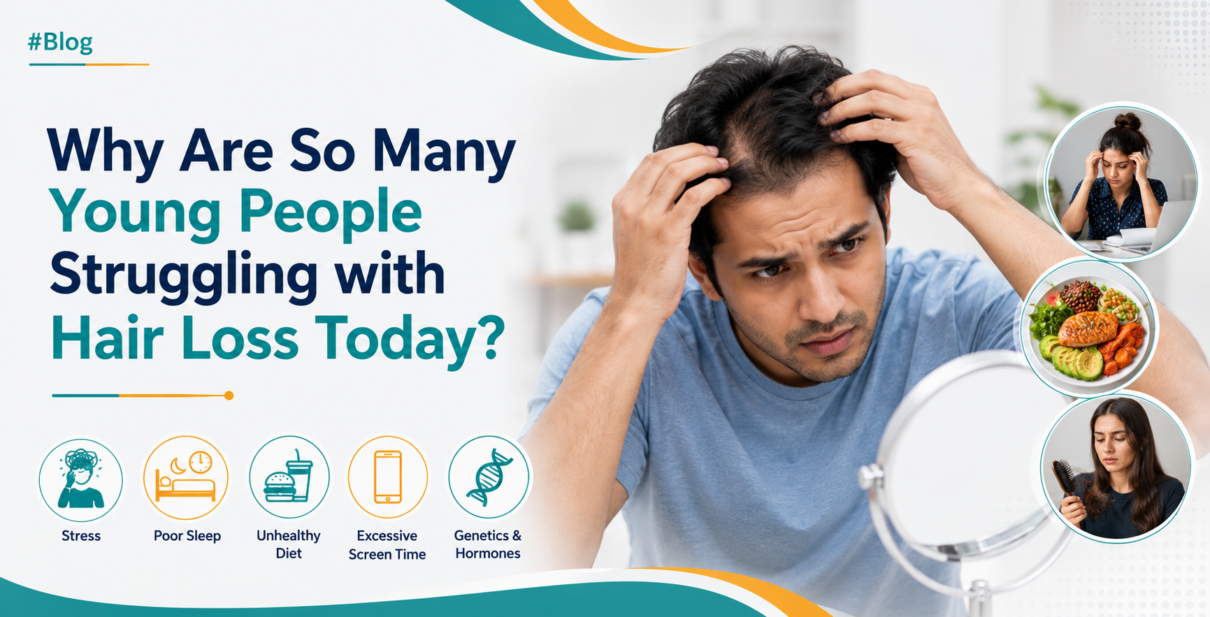
As a dermatologist, one of the most common concerns I hear in my clinic is not about acne, pigmentation, or skin allergies—it is hair loss. Almost every day, young men and women walk into our AIMS Hospital in Aundh, Pune worried about excessive hair fall. Many are in their twenties, some are still in college, and others are young professionals who never imagined they would be dealing with thinning hair so early in life.
What strikes me most is not just the number of patients seeking help, but how much emotional distress hair loss causes. For many people, hair is closely linked to confidence, self-image, and personality. Losing it can affect mental well-being in ways that are often underestimated. A few extra strands on a pillow may seem insignificant to others, but for the person experiencing it, it can become a source of constant anxiety.
The obvious question is: why are we seeing so much hair loss among young adults today?
I believe the answer lies in a combination of factors that reflect the way modern life has changed. Unlike previous generations, today’s young adults live in an environment filled with stress, irregular schedules, poor sleep patterns, dietary imbalances, and constant exposure to social media. While genetics still plays an important role, lifestyle factors have become increasingly significant contributors to hair health.
At our AIMS Hospital in Aundh Pune, one pattern I notice repeatedly is the connection between stress and hair fall. Many patients come to us after experiencing major life events such as examination pressure, work-related stress, relationship difficulties, or prolonged emotional strain. The body often responds to stress in ways that are not immediately visible, and hair loss is one of them. Several weeks or months after a stressful event, patients may suddenly notice significant shedding without understanding the reason behind it.
Sleep deprivation is another growing concern. Modern lifestyles have normalized late nights, screen time before bed, and irregular sleeping schedules. Unfortunately, hair follicles depend on the body’s overall health and recovery processes. When sleep becomes inadequate, the body may prioritize essential functions over hair growth. Over time, this imbalance can contribute to excessive shedding and slower hair regeneration.
Diet also deserves attention. Many young adults today skip meals, follow extreme diets, or rely heavily on processed foods. In pursuit of weight loss or convenience, they often fail to consume adequate protein, iron, vitamins, and other nutrients essential for healthy hair growth. At AIMS Hospital in Aundh Pune, nutritional deficiencies remain one of the most common and overlooked causes of hair loss, particularly among young women.
Social media has also created unrealistic expectations about hair and appearance. Patients frequently compare themselves to filtered images and online influencers with seemingly perfect hair. As a result, normal daily hair shedding is sometimes mistaken for a serious medical condition. While awareness about hair health is beneficial, excessive focus on every strand that falls can create unnecessary stress, which ironically may worsen the problem.
One misconception I encounter frequently is the belief that every hair fall problem can be solved with a shampoo or oil. The reality is that hair loss is often a symptom rather than a disease itself. It may be linked to hormonal changes, thyroid disorders, nutritional deficiencies, autoimmune conditions, genetics, or underlying medical issues. Simply changing hair products rarely addresses the root cause.
Another trend I have observed is the increasing popularity of unverified treatments promoted online. Patients often try multiple supplements, home remedies, and social media recommendations before seeking professional advice. While some of these approaches may be harmless, others can delay proper diagnosis and treatment. By the time many patients visit a hospital in Aundh Pune, they have already spent months experimenting with solutions that offered little benefit.
The encouraging news is that most causes of hair loss can be effectively managed when identified early. Modern dermatology offers a wide range of diagnostic tools and treatment options. Whether the issue is nutritional, hormonal, genetic, or stress-related, an individualized approach often produces the best results. The key is understanding that hair growth is a gradual process. Meaningful improvement takes time, patience, and consistency.
As a dermatologist, I often remind patients that healthy hair is usually a reflection of overall health. The condition of your hair frequently mirrors what is happening inside your body. When we address stress, nutrition, sleep, and underlying medical concerns, improvements in hair health often follow naturally.
At AIMS Hospital in Aundh Pune, we encourage patients not to panic at the first sign of hair shedding, but also not to ignore persistent hair loss. Early evaluation can identify treatable causes before significant thinning occurs. More importantly, it can provide reassurance and clarity during a situation that many people find emotionally overwhelming.
Hair loss may be increasingly common among young adults, but it should never be accepted as inevitable. Sometimes, your hair is simply sending a message about your overall health. Listening to that message early can make all the difference—not just for your hair, but for your well-being as a whole.